The Club as Archive: Women Ancestors Who Engineered Spectacle & Nightlife
By flavia furtado dj samurai
NYC nightlife is basically controlled chaos with good speakers. Music mutates faster than fashion. Communities form, dissolve, reform. Like rave biology. Meanwhile, the women who engineered whole scenes somehow ended up as footnotes. Dig around and you’ll find the real history isn’t in textbooks; it’s scattered across dance floors, flyers, USB sticks, and vinyl crates. Women DJs shaped the city’s nightlife long before anyone bothered to document it.
Before the Club: Women Who Built NYC’s Listening Culture
Long before DJing became a global profession, women in New York were already shaping how the city listened.
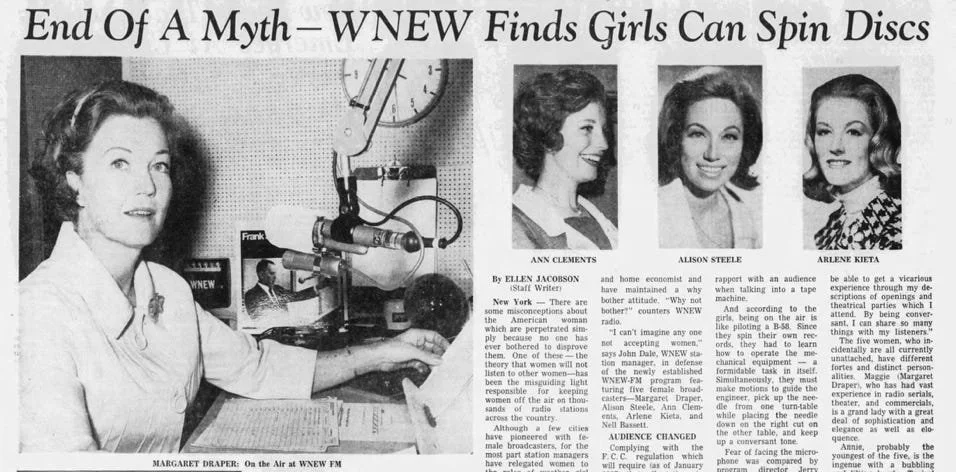
Take Alison Steele, “The Nightbird.” In 1968, while most of the city slept, she floated psychedelic rock, atmospheric collages, poems, and sound experiments across WNEW-FM like a nocturnal oracle. She wasn’t a “club DJ” but showed that a woman could architect the night’s emotional landscape, remixing mood and meaning before anyone used words like “selector” or “curation.”
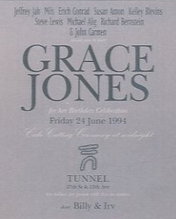
By the early 1970s, disco didn’t just explode, it rewired New York. The city reorganized itself around dance floors, and women were the engineers of its after-hours architecture. Grace Jones shifted the club, she turned nightlife into a living art installation. Judy Weinstein was building the DJ infrastructure behind the scenes; and a constellation of downtown women were quietly determining how the Loft, the Paradise Garage, and countless DIY rooms actually worked. Radio waves, club lights, backrooms, basements, women were everywhere, quietly wiring the circuits of nightlife until the whole city was glowing.

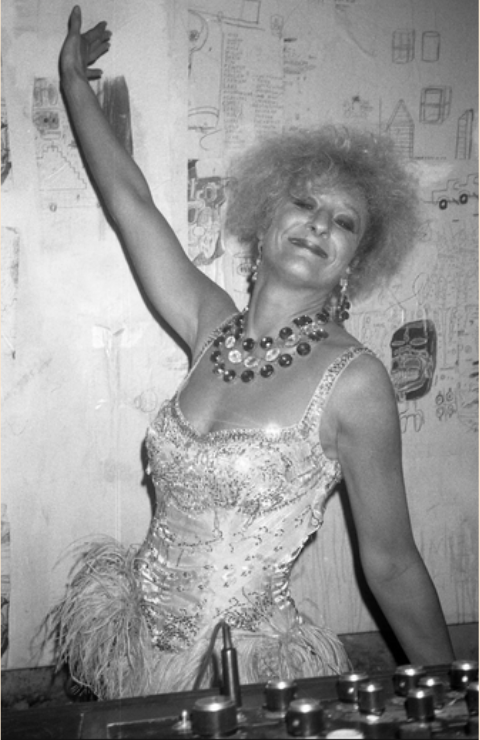
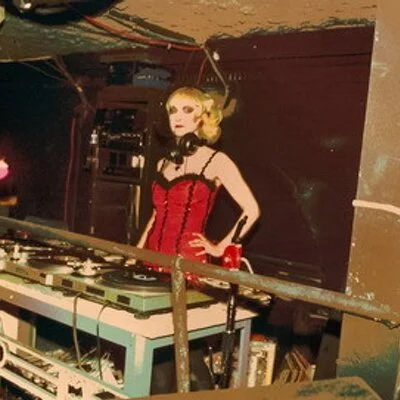
Anita Sarko was one of them. By the late ’70s and early ’80s she was holding down the booth at the Mudd Club, Danceteria and every room that mattered in the art-punk underground. Sarko didn’t just DJ: she curated collisions, mixing styles and crowds with a precision that made her one of the most influential voices of the era.
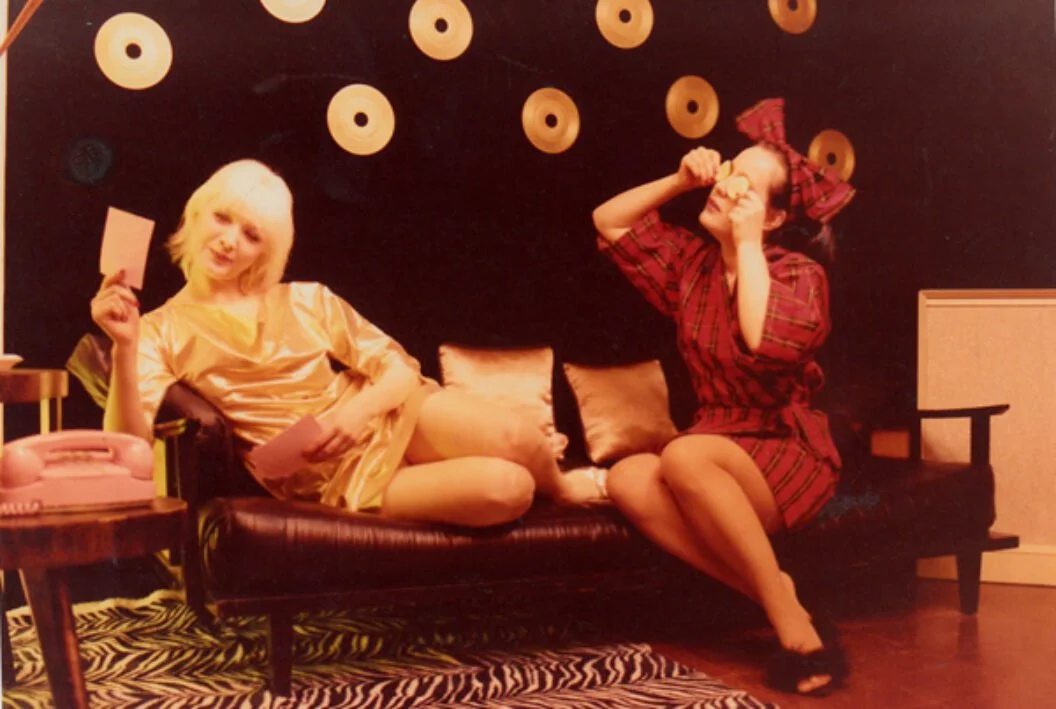
Patti Astor was doing similar cultural engineering from another angle: not a DJ, but a downtown connector, cofounder of the Fun Gallery, and key figure linking punk, hip-hop, visual art, and nightlife. Her parties and openings were informal bridges between scenes that weren’t supposed to meet, yet somehow did change New York forever.
Women in NYC have always archived sound by gathering bodies, inventing space, and blasting history into existence. The lack of documentation isn’t mysterious; for decades, the histories of art and culture were written almost exclusively by men, and the women driving entire scenes were rarely considered “record-worthy.” But the fragments that remain: club flyers, old mixtapes, stories traded across generations. Women laid the foundations of New York nightlife long before the archives caught up.
Why NYC’s Clubs Are Living Archives
Every club night is a temporary sculpture: the lighting, the crowd, the bass pressure, the people who find each other on the dance floor.
Taken together, these ephemeral nights accumulate into a larger whole: a living archive shaped by identity, resistance, and creative vision.
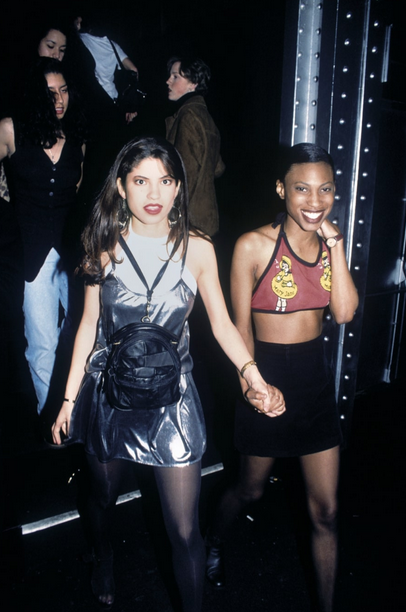
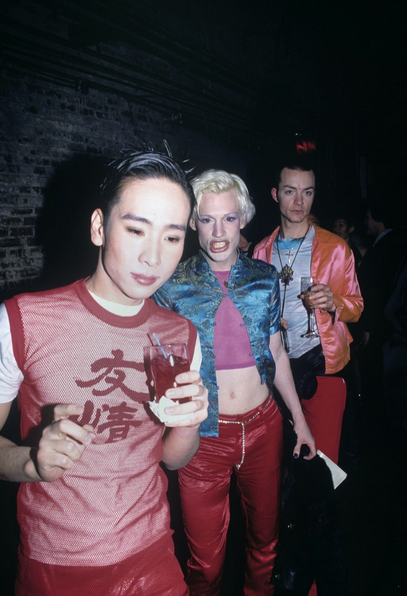
For NYC’s women DJs, especially queer, trans, Black, Asian American and Latina artists, the club has long been:
A refuge from surveillance and discrimination,
A laboratory for new musical forms,
A stage for self-definition,
A memory bank of communities that often exist nowhere else.
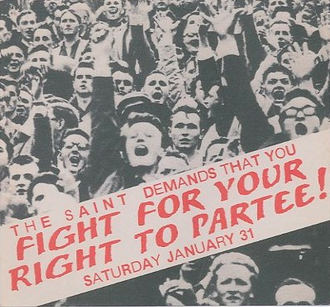
Just look at a few of the women who shaped it, moving through clubs, radio, record pools, and warehouse circuits, wiring the city’s nightlife together:
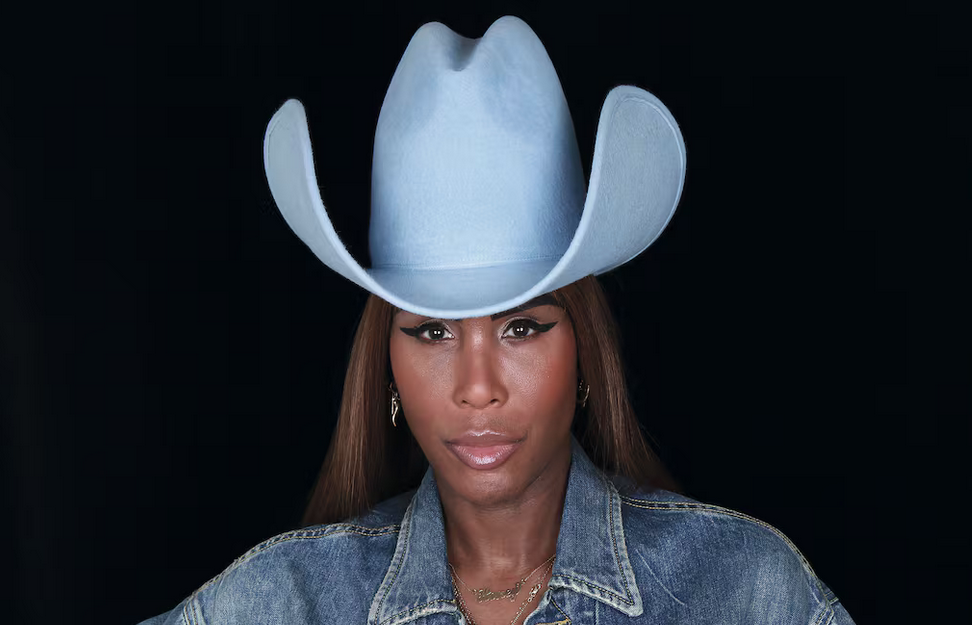
Honey Dijon treats fashion and sound like a double punch: visibility as strategy, glamour as resistance.
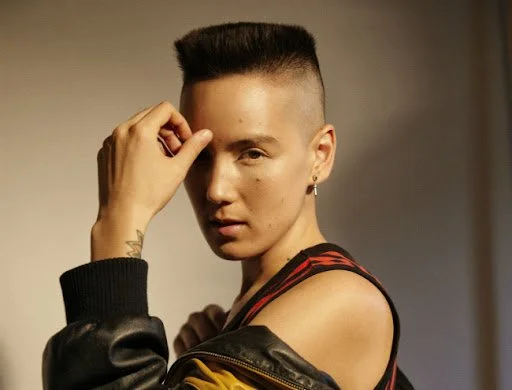
Kim Ann Foxman, rising out of Hercules & Love Affair and into the darker corners of NYC house, helped define the sleek, sweaty, queer-leaning sound that shaped Brooklyn’s early 2010s renaissance.
Judy Weinstein, who helped build the literal infrastructure of New York’s DJ ecosystem, reminds us why those behind-the-scenes networks mattered: “People remember the DJs, but a scene survives because someone is connecting the dots behind them. That’s what a record pool really was: an underground infrastructure.”
Octo Octa talks about house music as a portal for emotional and personal transformation during her gender transition.
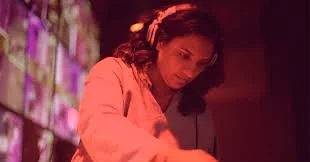
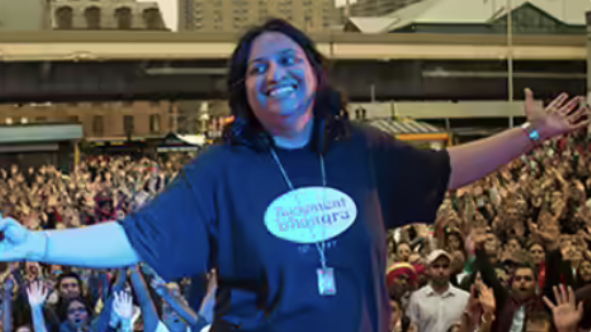
DJ Rekha built Basement Bhangra in response to the city’s lack of space for South Asian dance culture, turning a monthly party into a diasporic time capsule.
These are reminders that the club, for many, is where identity and history are actively made.
A Quick Timeline of Women DJing in NYC
1960s: Radio Experiments & Women on the Night Shift
Before club culture had a name, women were already shaping New York’s listening habits.
Alison Steele transformed radio late-night programming starting in 1968, introducing psychedelic rock, spoken-word blends, and sound-collage mixing that prefigured future club aesthetics.
Throughout the decade, FM radio in NYC broadened its roster of women hosts, laying groundwork for female djs.
1970s: Disco Booms & Women Enter the Booth
As disco reshaped the city, women became more visible in roles that defined the nightlife ecosystem.
Women served as selectors, promoters, dancers, event coordinators, and scene-builders across early disco venues and community-based dance spaces.
While documentation is limited, oral histories and archival flyers show women involved in the ecosystems surrounding clubs like Flamingo, Gallery, and the extended community orbiting Paradise Garage.
Downtown, women helped connect nightlife with art and punk circuits, laying groundwork for the cross-disciplinary scenes that flourished in the 1980s.
1980s–1990s: The Era That Rewired the Underground
As hip-hop, house, techno, and freestyle emerged, women participated as builders of nightlife infrastructure. So much happened across these years, but a handful of turning points define the era.
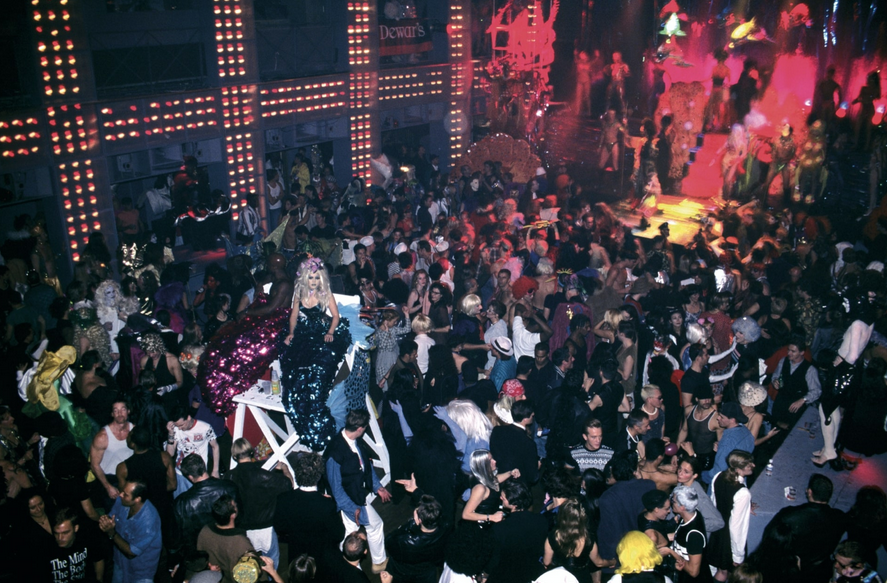
East Village queer nightlife takes over. The Pyramid Club and nearby spaces became laboratories for drag, performance art, and early electronic experiments, many of them shaped behind the booth by women DJs.
Heather Heart stitched together the early techno grid of New York, Sonic Groove in the daytime, zines and warehouse networks at night.
The ballroom and voguing communities, led largely by Black and Latinx queer and trans artists, relied heavily on women DJs and organizers who managed sound systems, curated tracks, and shaped the energy of balls and after-hours events.
By the early 1990s, women were contributing to mixtape culture, independent radio, and cross-borough club circuits that blended hip-hop, house, dancehall, techno and Latin club sounds.
2000s–Present: Brooklyn’s Underground Renaissance & New Lineages
The 21st century sparked a realignment: women, especially queer, trans, black, brown, and immigrant DJs became some of the key engineers of the underground. Meanwhile, most festival lineups still look like someone forgot women exist, and the promoters’ table is still a boys’ club with bottle service. Post-2005, Brooklyn’s warehouse renaissance was held up by women who wired the speakers, found the spaces, threw the raves, and started micro-collectives committed to the weird, the loud, and the unclassifiable.
This history isn’t complete and that’s exactly why archiving matters.
The next generation of archivists isn’t in libraries, it’s in the booth, behind the camera, in the crowd, and on the dance floor. Nightlife can’t be pinned down; it has to keep mutating. Every rave acts as a memory zone, a small rebellion, an archive written at full volume.